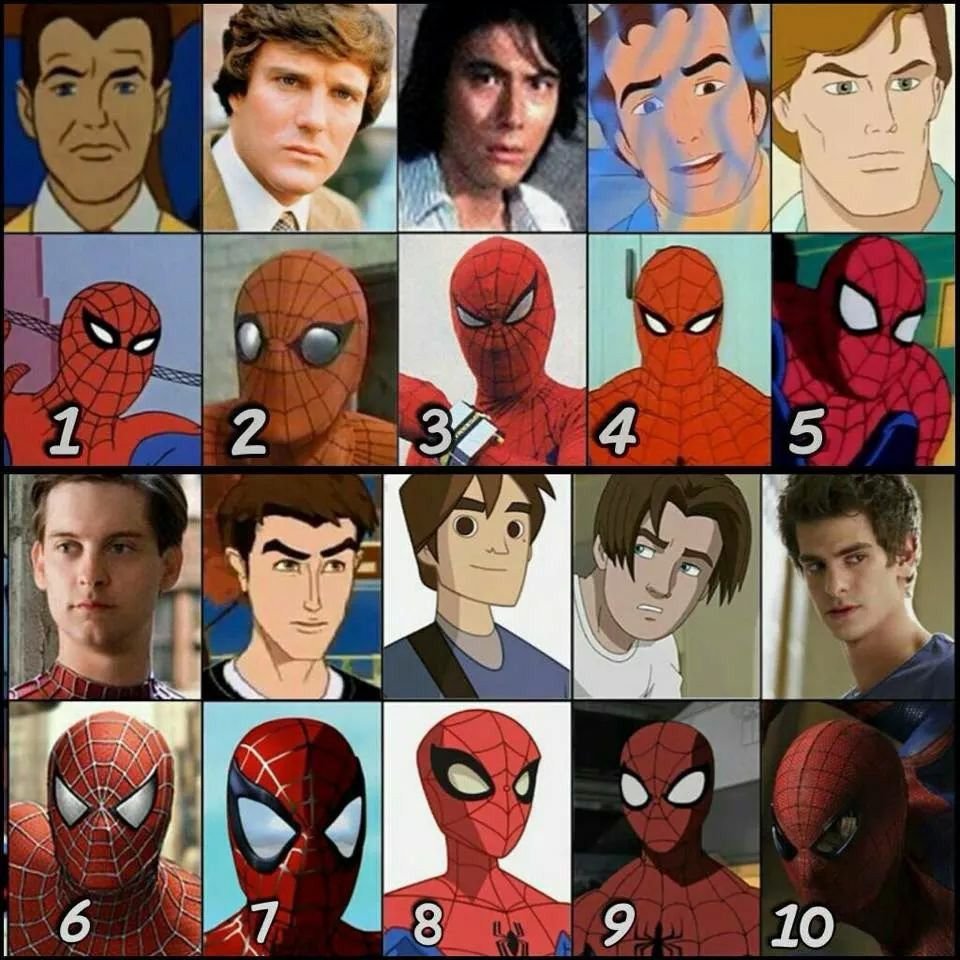
From the moment he first swung onto the pages of Amazing Fantasy #15 in 1962, Spider-Man has been more than just a superhero; he's an enduring cultural phenomenon. His journey, marked by the iconic phrase "With great power comes great responsibility," is a masterclass in The Evolution of Spiderman Across Decades & Media. This isn't just a story about a kid who got bit by a radioactive spider; it's a testament to how a character can adapt, reflect, and even shape the times, leaping from comic panels to animated screens, blockbuster films, and beyond.
Spider-Man's appeal lies in his relatability, his struggles as an "everyman" balancing homework, heartache, and heroism. We’ve seen him grow, stumble, and rise again through countless iterations, each adding new layers to the legend.
At a Glance: Key Takeaways from Spidey's Journey
- Humble Beginnings: Peter Parker, a nerdy high schooler, gains spider-like abilities after a radioactive spider bite in 1962, setting the stage for his iconic motto.
- The "Everyman" Hero: Early comics cemented his identity as a struggling teen balancing dual lives, facing financial woes and relationship drama, making him uniquely relatable.
- A Rogues Gallery for the Ages: Villains like Doctor Octopus, Green Goblin, and Venom became integral to his narrative, challenging him both physically and morally.
- Media Multiverse: From his 1967 animated debut to three distinct live-action cinematic eras (Tobey Maguire, Andrew Garfield, Tom Holland), Spider-Man has constantly reinvented himself for new audiences.
- Expanding the Web: The introduction of Miles Morales and the concept of the "Spider-Verse" in comics and animated films like Into the Spider-Verse broadened the definition of who Spider-Man can be.
- Enduring Legacy: Despite countless changes, the core themes of responsibility, sacrifice, and hope remain central to Spider-Man's universal and timeless appeal.
The Genesis: A Web Born in the Atomic Age (1962 – Early Years)
Before he was a cinematic titan or an animated icon, Spider-Man was a bold new idea from the minds of writer Stan Lee and artist Steve Ditko. Their creation, debuting in Amazing Fantasy #15 in August 1962, broke the mold of typical superheroes. Most heroes were adults with perfect lives or vast fortunes. Peter Parker, however, was a scrawny, bespectacled high school student from Queens – an outsider struggling with bullies, crushes, and the general awkwardness of adolescence.
His origin story is now legendary: a fateful field trip, a bite from a radioactive spider, and the sudden acquisition of incredible powers – enhanced strength, agility, the ability to cling to walls, and a precognitive "spider-sense." But it was a tragic error, his failure to stop a fleeing thief, that led to the death of his Uncle Ben. This moment wasn't just a plot point; it was the birth of his moral compass, crystallizing the maxim: "With great power comes great responsibility."
Early depictions of Spider-Man were refreshingly raw. Peter Parker wasn't just fighting supervillains; he was battling eviction notices, struggling to pay rent, getting fired from his job as a freelance photographer, and navigating complex relationships with Aunt May, his high school crush Liz Allan, and later, Gwen Stacy and Mary Jane Watson. This human element, this struggle to balance the extraordinary with the mundane, made him incredibly relatable. His rogues' gallery – Doctor Octopus, the Green Goblin, Electro, the Sandman, Mysterio, Venom – weren't just caricatures; they often had tragic backstories or scientific ambitions gone awry, mirroring Peter's own complex moral landscape. This commitment to character development and real-world problems set Spider-Man apart and laid the foundation for his enduring appeal.
First Swings: Animation Paves the Way
While the comics were building a fervent fanbase, it didn't take long for Spider-Man to leap into other media. His first major foray beyond the printed page came with the animated series that aired from 1967 to 1970. Though often remembered today for its catchy theme song and somewhat simplistic animation, this series was crucial. It introduced Spider-Man to a wider audience, solidifying his visual identity and quick-witted banter in the public consciousness. For many, this was their first encounter with the web-slinger, cementing his place in pop culture.
Throughout the decades, other animated series followed, each adapting the character for its contemporary audience. The 1980s saw "Spider-Man and His Amazing Friends," bringing in Iceman and Firestar. The 1990s brought a darker, more serialized take with "Spider-Man: The Animated Series," which delved deeper into Peter's personal life and more complex story arcs, including the introduction of the Venom symbiote and the concept of the multiverse. These animated ventures kept Spider-Man relevant between comic book issues, constantly refreshing his image and ensuring new generations fell in love with him.
The Cinematic Web: Three Generations of Live-Action Peter Parkers
Perhaps no other medium has showcased The Evolution of Spiderman Across Decades & Media as dramatically as live-action cinema. We've seen three distinct, beloved, and often debated portrayals of Peter Parker, each bringing unique strengths and interpretations to the role.
Tobey Maguire: The Heart and Soul of the Everyman (2002-2007)
When Sam Raimi's Spider-Man hit theaters in 2002, it wasn't just a superhero movie; it was a cultural event. Tobey Maguire’s portrayal of Peter Parker perfectly captured the awkward, sincere, and emotional "everyman" hero that audiences had loved in the comics. Maguire's Spider-Man was profoundly relatable, grappling not just with villains but with the emotional toll of his powers, the loss of loved ones, and the overwhelming responsibility thrust upon him. His earnestness, his internal turmoil, and the palpable emotional depth he brought to the character resonated deeply.
The film's success was monumental, both critically and commercially, proving that audiences were ready for a superhero who cried, who struggled with rent, and who genuinely yearned for a normal life. The sequels, Spider-Man 2 (often hailed as one of the greatest superhero films ever made) and Spider-Man 3, continued to explore these themes, cementing Maguire's version as the definitive Spider-Man for a generation. He gave us a hero whose heart was as powerful as his punch.
Andrew Garfield: The Witty Rebel with a Tragic Arc (2012-2014)
Less than a decade after Maguire's last outing, Sony Pictures rebooted the franchise with The Amazing Spider-Man in 2012, starring Andrew Garfield. This iteration aimed for a more modern, edgier take on Peter Parker. Garfield's Peter was witty, charismatic, and rebellious – a skateboarding outsider with a smart mouth, reflecting a slightly different facet of the character often seen in later comic runs.
What truly set this series apart was the authentic and electric chemistry between Garfield's Peter and Emma Stone's Gwen Stacy. Their romance was the heart of these films, making the inevitable tragedy of Gwen's death in The Amazing Spider-Man 2 all the more impactful. Garfield brought a palpable sense of pain and passion to the role, showcasing a Spider-Man who was perhaps more outwardly confident but inwardly tormented by his losses and the weight of his promises. While the series faced mixed reception for its narrative choices, Garfield's performance and his dynamic with Stone are often praised for their raw emotional power.
Tom Holland: The Youthful MCU Integrator (2016-Present)
The superhero landscape shifted dramatically with the rise of the Marvel Cinematic Universe (MCU). In a landmark partnership between Marvel Studios and Sony Pictures in 2015, Spider-Man was finally brought into the MCU fold. Tom Holland debuted as the new Spider-Man in Captain America: Civil War in 2016, immediately captivating audiences with his youthful energy and authentic portrayal of a high school kid suddenly thrust into a world of gods and super-soldiers.
Holland's Spider-Man is very much a product of his time, a genuine teenager still figuring out his powers and his place in a vast, interconnected universe. He's an endearing blend of nervous energy, earnest heroism, and hilarious quips, often looking up to mentors like Tony Stark. His solo films – Spider-Man: Homecoming, Spider-Man: Far From Home, and Spider-Man: No Way Home – along with his pivotal roles in Avengers: Infinity War and Avengers: Endgame, have explored themes of identity, legacy, and the true meaning of heroism within a bustling superhero world. Holland brings a fresh sense of hope and vulnerability, embodying a Peter Parker who truly feels like a kid in over his head, learning on the job.
Each cinematic portrayal, while distinct, contributed vitally to the Spider-Man legacy: Tobey Maguire brought heart and soul, establishing the emotional core; Andrew Garfield brought pain and passion, showcasing the weight of tragedy and sharp wit; and Tom Holland brought youth and hope, integrating the character into a broader, interconnected narrative. To dive even deeper into all things Spidey, from his origins to his latest adventures, check out Your ultimate Spiderman guide.
Beyond Peter: Expanding the Spider-Verse
Spider-Man's evolution isn't just about different Peter Parkers; it's also about expanding the very definition of who can wear the mask. The 21st century has seen pivotal developments in the comics and other media that have challenged and enriched the character's legacy.
Ultimate Spider-Man (2000s): A New Beginning for Peter
In the early 2000s, Marvel Comics launched the "Ultimate Marvel" imprint, a modern retelling of their classic heroes, starting fresh for a new generation of readers. Ultimate Spider-Man, written by Brian Michael Bendis, became a runaway success. This series reintroduced Peter Parker as a contemporary teenager facing modern issues, focusing heavily on character development and more realistic consequences for his actions. It was an accessible entry point that respected the core elements of the character while updating him for the 21st century.
Miles Morales and the Multiverse: A New Legacy
Perhaps the most significant evolution in recent memory came with the introduction of Miles Morales in Ultimate Fallout #4 in 2011, following the death of the Ultimate Peter Parker. Miles, a biracial teenager from Brooklyn, takes up the mantle of Spider-Man, grappling with his own powers and the legacy he inherited. His introduction was groundbreaking, offering a new perspective on the hero and proving that anyone – regardless of background – could be Spider-Man.
This concept truly exploded onto the global stage with the critically acclaimed animated film Spider-Man: Into the Spider-Verse (2018). This visually stunning masterpiece not only introduced Miles Morales to a mainstream audience but also brilliantly explored the concept of the multiverse, bringing together various Spider-People from different dimensions. The film was a cultural phenomenon, celebrated for its innovative animation, heartfelt story, and its message that "anyone can wear the mask." It reaffirmed Spider-Man's adaptability and inclusivity, setting a new benchmark for superhero storytelling.
Why Spidey Endures: The Core Themes That Stick
Despite the numerous costume changes, narrative shifts, and different faces behind the mask, certain core elements ensure Spider-Man's enduring popularity across every decade and medium:
- Relatability: At his heart, Peter Parker, and by extension, any Spider-Person, is an underdog. He's often struggling, self-doubting, and trying to do the right thing while balancing personal life with heroic duties. This makes his victories feel earned and his failures sting, creating a deep connection with audiences.
- The Weight of Responsibility: The maxim "With great power comes great responsibility" isn't just a catchphrase; it's the ethical backbone of the character. It's a universal truth that resonates, challenging us to consider our own actions and impact.
- Optimism and Resilience: Even in his darkest moments, Spider-Man rarely gives up. He faces overwhelming odds with a quip and a stubborn refusal to let innocent people down. This unwavering optimism in the face of adversity is inspiring.
- Adaptability and Evolution: As society changes, so too does Spider-Man. His stories have tackled everything from Cold War anxieties to social justice issues, always finding a way to remain relevant without sacrificing his core identity. This ability to evolve ensures he never feels outdated.
- A Universal Symbol of Heroism: Spider-Man represents the idea that heroism isn't just for the privileged or the powerful; it's for anyone willing to step up, sacrifice, and do what's right, even when it's terrifying.
Common Questions & Misconceptions About Spider-Man's Evolution
With so many versions of Spider-Man, it's natural to have questions. Here are a few common ones, clarified:
Why have there been so many Spider-Man reboots in live-action?
The primary reason for the multiple live-action reboots stems from the complex film rights held by Sony Pictures. After the Sam Raimi trilogy concluded, Sony opted to reboot the franchise to keep the character in production rather than risk losing the rights. The most recent iteration, starring Tom Holland, came about through a unique partnership between Sony and Marvel Studios, allowing Spider-Man to be integrated into the MCU while Sony still maintains distribution rights for solo films. Each reboot also offered an opportunity for filmmakers to put a fresh creative spin on the character for a new generation.
Is Miles Morales replacing Peter Parker as Spider-Man?
No, Miles Morales is not "replacing" Peter Parker. Instead, he represents an expansion of the Spider-Man legacy. In the comics and films like Into the Spider-Verse, Peter Parker often exists alongside Miles, sometimes as a mentor, sometimes as a peer. The beauty of the "Spider-Verse" concept is that it allows for multiple Spider-People to exist simultaneously across different dimensions, each with their own unique stories and struggles. Miles is a vital part of the Spider-Man family, carrying on the spirit of the character in his own way, and proving that the mantle can be worn by anyone.
Which Spider-Man portrayal (Tobey, Andrew, or Tom) is the "best"?
This is perhaps the most debated question among fans, and honestly, there's no single "best" answer. Each actor brought a unique, valuable interpretation to Peter Parker:
- Tobey Maguire embodied the quintessential "nerdy kid next door" who shoulders immense responsibility with a heavy heart. He excelled at the emotional depth and the internal struggle.
- Andrew Garfield captured the smart, witty, and rebellious side of Peter, with a palpable angst and romantic intensity, particularly with Gwen Stacy.
- Tom Holland presents the most authentically teenage Peter, full of youthful exuberance, vulnerability, and a strong sense of being part of a larger superhero world (the MCU).
Ultimately, the "best" is subjective and often comes down to personal preference and which aspects of Spider-Man resonate most with you. What's clear is that each actor contributed significantly to The Evolution of Spiderman Across Decades & Media, ensuring the character remains dynamic and multifaceted.
What's Next for the Web-Slinger?
The web of Spider-Man's future is as intricate and expansive as ever. In the comics, new storylines continually push boundaries, exploring different facets of his powers, his relationships, and the ever-growing "Spider-Verse." We'll likely see more innovative animated projects building on the success of Into the Spider-Verse, further expanding the visual and narrative possibilities of the character.
In live-action, Tom Holland's journey within the MCU is far from over, with new challenges and character growth on the horizon. The multiverse concept, now firmly established, also opens the door for endless possibilities, including crossovers, alternate versions, and perhaps even entirely new Spider-People to emerge. The beauty of Spider-Man is his inherent adaptability; he can move with the times, reflecting new anxieties and hopes, while always holding true to his core message. His story isn't just one of superpowers, but of growth, resilience, and the endless pursuit of doing what's right.
Your Next Swing
Spider-Man's journey from a struggling comic book character to a global icon is a testament to the power of a well-crafted story and an incredibly human hero. His continuous Evolution of Spiderman Across Decades & Media ensures he remains relevant, inspiring, and above all, relatable.
Now that you've journeyed through the web-slinger's remarkable history, what's your next move? Perhaps you're inspired to revisit the classic comics, dive into a new animated series, or rewatch your favorite live-action film to appreciate the nuances of each portrayal. Whatever your preference, the world of Spider-Man is vast and welcoming. Keep exploring, because like Peter Parker himself, the story of Spider-Man is always evolving, always surprising, and always ready for its next great adventure.